


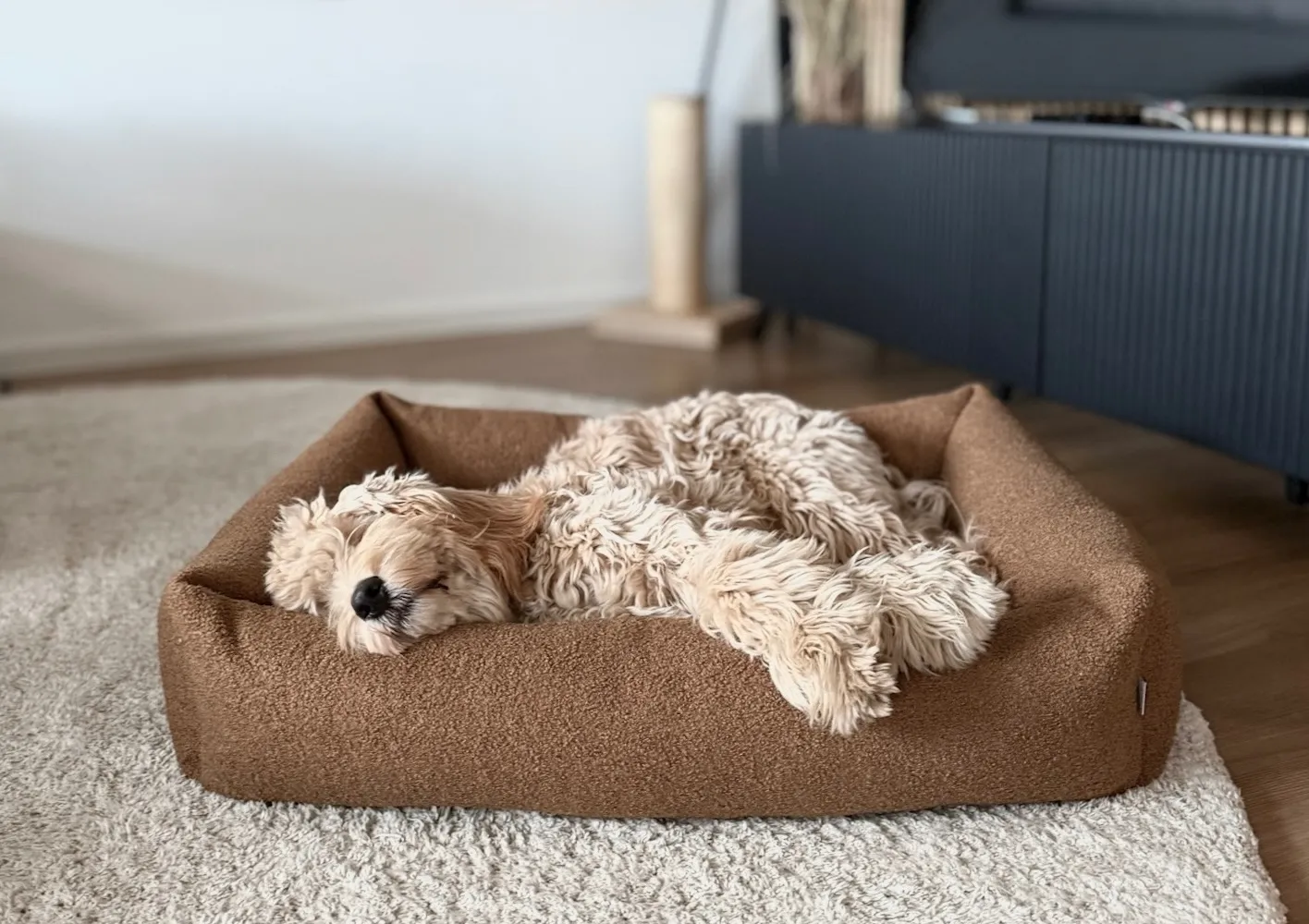
As evening falls, the home slowly grows quiet. Your dog settles into their favourite place, adjusts the cushion with one paw, sighs and soon drifts off to sleep. Then, suddenly, their paws begin to twitch gently, their eyelids move slightly and a soft whimper escapes from their closed mouth. They may look as though they are running, following an intriguing scent or meeting someone they know well.

Do dogs dream in a similar way to humans? Everything suggests that, while they sleep, their brains also process experiences, emotions and information gathered throughout the day. We cannot ask a dog exactly what they saw in a dream, so the content of their nocturnal stories remains unknown. Research into canine sleep does, however, allow us to conclude with considerable confidence that dogs really do dream.
Perhaps your dog is reliving their morning walk, a game with a favourite ball, an encounter with a canine friend or the moment you returned home. Their dreams may be composed of images, scents, movement and emotions — everything that shapes the uniquely canine way of experiencing the world.
Do dogs really dream?
Scientists cannot look directly inside a dog’s dream and discover exactly what is happening within it. They can, however, observe brain activity, eye movement, muscle tone and the animal’s behaviour during the different stages of sleep. Studies using non-invasive polysomnography have shown that canine sleep, like human sleep, includes both NREM and REM phases. During REM sleep, rapid eye movements appear, brain activity increases and most muscles remain relaxed. In humans, this is the phase most commonly associated with vivid and emotional dreams.
In dogs, gentle muscle twitches, movements of the paws, lip movements, quiet whimpering or muffled barking may be observed during REM sleep. This does not mean that every movement allows us to identify the precise content of a dream. It is, however, one of the reasons researchers consider dreaming in dogs highly probable. Dogs most likely dream because their sleep passes through the same basic stages as human sleep, while during REM their brains remain active even though their bodies are resting.
What happens in a dog’s brain during sleep?
Sleep is not a time when the brain simply switches off. It is an active process needed, among other things, to organise information, consolidate memories and process the events of the day.
Research into canine learning suggests that sleep may contribute to the consolidation of new information. Dogs that had been learning commands or new behaviours showed changes in the structure of their subsequent sleep, while certain patterns of brain activity during rest were associated with later performance in memory-related tasks.
This means that after a day filled with new scents, encounters, exercises and emotions, a dog’s brain probably does not simply set these experiences aside. It organises them, connects them with earlier memories and prepares them for future use. Not all memory-related processes occur exclusively during REM sleep. NREM sleep also plays an important role and may strengthen traces connected with earlier experiences. Canine sleep is therefore a complex cycle rather than a single moment in which dreams occur.
What might dogs dream about?
We cannot know for certain. A dog cannot tell us in the morning that they dreamt about chasing a ball or walking through the woods. The most probable answer, however, is that dogs may dream about what matters to them and about events from their everyday lives. Studies conducted on other mammals have shown that patterns of brain activity present earlier while navigating a particular space may become active again during sleep. Scientists describe this phenomenon as the replay or reactivation of experiences. It is not direct proof of the specific content of a dog’s dream, but it suggests that animals may process fragments of waking experiences while resting.
For a dog, these elements may be very different from those experienced by a human. Dogs explore their surroundings primarily through scent, movement, sound and social relationships. Their dreams may therefore not resemble a film viewed by a person. They may instead be a more sensory combination of familiar smells, emotions, places and activities.
– shared walks and exploring scents
A walk means far more to a dog than physical movement. It is a time for gathering information about the environment, other animals and changes that have taken place in a familiar area. It is therefore possible that, during sleep, a dog revisits part of a familiar route, follows an interesting scent or relives an encounter with another dog.
– play and activity
Movements resembling running, gentle paw movements or twitching around the mouth may remind us of a dog chasing a toy. We cannot confirm that a dog is genuinely dreaming of running at that moment, but everyday activities are among the experiences their brain may process during sleep.
– relationships with their guardian and other dogs
For most dogs, their guardian is one of the most important points of reference in life. A familiar voice, scent, touch and shared moments can create powerful emotional memories. It is therefore quite possible that familiar people and animals also appear in canine dreams.
– emotionally intense situations
Sleep helps the brain process not only information but also experiences connected with emotion. An intense day, a new journey, a visit to an unfamiliar place or a particularly exciting encounter may influence a dog’s subsequent rest. Research has shown that activity before sleep and the nature of earlier experiences can affect the structure of canine sleep.
How can you tell that a dog is probably dreaming?
The most characteristic behaviours usually appear when the dog is sleeping deeply and visibly relaxed. Their breathing may become less regular, their eyes may move beneath closed eyelids and the paws or facial muscles may twitch gently. You may also notice:
- slight movements of the paws,
- movement of the ears or lips,
- quiet whimpering,
- short, muffled barks,
- gentle wagging of the tail,
- a temporary change in breathing rhythm.
These behaviours are usually brief and mild. The dog still appears to be asleep and, after a moment, becomes still again or changes position. It is worth remembering, however, that a person cannot reliably estimate the frequency of a dog’s dreams solely by watching their movements. In one study, guardians’ assessments of whether their dogs were “dreaming” did not directly correspond with the amount of recorded REM sleep. A dog may therefore dream without visibly moving their paws, while not every movement during sleep necessarily represents a vivid dream.
Can a dog have a nightmare?
If dogs are likely to process experiences and emotions during sleep, the possibility of unpleasant dreams also appears probable. However, we do not currently have a method that would allow us to confirm whether a particular whimper resulted from a nightmare or was simply ordinary activity associated with REM sleep. If a dog suddenly whimpers, moves their paws more quickly or makes unsettled sounds for a few seconds, it does not necessarily mean that anything is wrong. Mild movements and vocalisations can be a natural part of sleep.
An unpleasant dream may be more likely after a day filled with stress, unfamiliar experiences or intense emotions. This remains, however, a cautious interpretation rather than something that can be read conclusively from a dog’s behaviour. The overall picture is what matters most. If the dog behaves normally after waking, settles quickly and shows no worrying symptoms during the day, an isolated episode of whimpering in their sleep is usually not a cause for concern.
Should you wake a dog who is moving their paws or whimpering in their sleep?
In most situations, there is no need to do so. If the movements are gentle, the dog is breathing calmly and there is no risk of them striking furniture or falling from a height, it is best to allow them to complete their natural sleep cycle. Suddenly touching a deeply sleeping dog may frighten them. An animal woken abruptly may not immediately understand what is happening and may react instinctively. This is particularly relevant for anxious dogs, senior dogs, those with hearing difficulties or dogs resting after an especially intense day.
If you need to wake your dog for some reason, begin by saying their name calmly from a short distance. Give them a moment to recognise your voice and open their eyes independently rather than leaning over them or touching them suddenly. Sleep is important not only for restoring energy. It also participates in learning, memory and emotional regulation. By allowing your dog to rest without unnecessary interruptions, you support their natural need for recovery.
When should a dog’s behaviour during sleep be a cause for concern?
Gentle twitching of the paws, brief whimpering and movement beneath the eyelids are usually natural. Violent, repetitive behaviours or episodes that clearly differ from the dog’s previous sleeping habits should, however, be discussed with a veterinary surgeon. Pay particular attention if your dog:
- makes very strong, extensive movements involving the whole body,
- strikes surrounding objects or may injure themselves,
- vocalises loudly and for a prolonged period,
- has clear pauses in breathing,
- remains disorientated for a long time after waking,
- displays similar movements while awake,
- has suddenly begun sleeping restlessly despite never doing so before,
- wakes repeatedly and cannot return to sleep.

In rare cases, dogs may experience REM sleep behaviour disorders, in which the typical relaxation of the muscles is reduced and the animal makes much more intense movements. Nocturnal behaviour may also be related to pain, breathing difficulties, neurological disease or cognitive changes in an older dog. Recording the episode on your phone may help a veterinary surgeon assess the behaviour. Do not, however, attempt to provoke or interrupt a violent episode in a way that could expose either you or the dog to injury.
How can you create peaceful sleeping conditions for your dog?
We cannot influence what a dog dreams about. We can, however, create an environment in which they can settle safely and move through the different stages of rest without unnecessary disturbance. A suitable sleeping area should be positioned away from busy walkways, strong draughts and the noisiest parts of the home. At the same time, many dogs prefer to rest close enough to the family to hear familiar voices and quietly observe everyday life.

A comfortable dog bed should be suited to the dog’s size, sleeping position and individual needs. A dog who sleeps on their side needs enough room to stretch their paws freely, while one who prefers to curl up may appreciate soft, embracing sides. For a senior dog, an active dog or a companion with musculoskeletal difficulties, an orthopaedic dog bed offering more stable and even support may be a suitable choice. A soft dog cushion, on the other hand, may suit an animal who likes changing position and resting on a more generously padded surface.
Consistent evening routines can also help. A calm final walk, an opportunity to relieve themselves, limiting highly stimulating play immediately before bedtime and access to a private, undisturbed resting place can help a dog end the day gently. Never force your dog to remain in a particular place. A sense of safety develops when the dog knows they can rest without being disturbed, moved or repeatedly called.
Does an active day influence a dog’s dreams?
Research into canine sleep has shown that earlier activity may influence the length and structure of subsequent rest. After an active day, the dogs studied entered certain stages of sleep more quickly and spent more time in both NREM and REM sleep. This does not automatically mean that every longer walk will result in more vivid dreams. It does, however, demonstrate that everyday experiences and activity levels are connected with the way later sleep unfolds.
Balance remains important. A good day for a dog should not mean constant stimulation. Alongside walks, scent exploration, learning and play, dogs also need time to settle quietly. Only a combination of activity and genuine rest allows them to recover their energy and process their experiences.
Is it worth observing a sleeping dog?
Watching a dog move their paws while asleep can easily bring a smile. Observing sleep can also provide valuable information about your companion’s wellbeing. Over time, you become familiar with their natural rhythm. You know how long they usually sleep, when they tend to nap, whether they frequently change position and which behaviours are typical for them. This makes it easier to notice when something has changed. This does not mean constantly monitoring the dog. Sleep should remain a time of peace. Discreet observation and familiarity with everyday habits are enough.
We may never discover exactly what our dogs dream about. We can, however, suppose that their nocturnal world contains the places, scents and beings that matter to them most. Perhaps they are running along a familiar path once again. Perhaps they have found their favourite ball. Perhaps they can hear your voice. Or perhaps they are simply dreaming of another peaceful day spent close to you.
For more inspiration about canine sleep, rest and conscious care for your companion’s everyday needs, explore further articles in the Conscious Dog Guardian’s Guide at bowlandbone.com
Bowl&Bone Republic team
FAQ – the most frequently asked questions about the article –
Do dogs dream, and what might they dream about?
Do dogs really have dreams?
Everything suggests that dogs do dream. Their sleep includes both NREM and REM phases, similar to the fundamental stages observed in humans. During REM sleep, the brain remains active, the eyes move rapidly and the dog may gently move their paws or make sounds. We cannot, however, directly discover the content of their dreams.
What do dogs most often dream about?
There is no way to determine conclusively what an individual dog is dreaming about. Scientists believe that animals may process fragments of waking experiences during sleep. Canine dreams may therefore include walks, scents, play, other animals and their guardian. This is a probable explanation rather than directly confirmed knowledge of the content of canine dreams.
Why does a dog move their paws while asleep?
Gentle paw movements may occur during REM sleep, when brain activity increases while most muscles remain relaxed. Small twitches, paw movements or movements of the mouth are usually a natural part of sleep. They do not always mean that the dog is dreaming about running. The intensity, duration and overall behaviour of the animal are what matter.
Can a dog bark or whimper in their sleep?
Yes. Dogs may quietly whimper, squeak or make short, muffled barking sounds while asleep. These behaviours may occur during REM sleep and usually do not indicate anything worrying. If the vocalisation is very intense, occurs frequently or repeatedly wakes the dog, it is worth recording the episode and discussing it with a veterinary surgeon. Sudden changes in an older dog’s sleeping behaviour require particular attention.
Should you wake a dog who appears to be having a bad dream?
It is usually better to allow the dog to continue sleeping if their movements are gentle and do not present a safety risk. Sudden physical contact may frighten an animal who has been woken from deep sleep. If waking them is necessary, first say the dog’s name calmly from a short distance. Give them time to recognise your voice and open their eyes independently.
Are frequent movements during sleep normal?
Gentle, brief movements usually fall within the natural behaviour of a sleeping dog. Violent, prolonged or increasingly intense episodes should raise concern, particularly if the dog could injure themselves. Pauses in breathing, strong muscle stiffness, disorientation after waking or similar movements while awake should also be assessed. In such cases, it is worth showing a recording of the episode to a veterinary surgeon.
Do puppies dream too?
Puppies pass through different stages of sleep and may display movements associated with dreaming. Sleep is particularly important for them because they are growing rapidly, learning and processing many new experiences every day. A quiet, secure resting place helps reduce unnecessary interruptions. Gentle twitching during sleep should not usually worry the guardian.
Can a dog dream about their guardian?
We cannot confirm the content of a particular canine dream. A guardian is, however, the source of powerful sensory and emotional experiences for a dog: voice, scent, touch, security and shared routines. It is therefore possible that elements connected with a close person appear while memories are being processed during sleep. This remains a reasonable assumption rather than a fact that can be directly verified.
Sources and inspiration used in preparing the article
Do dogs dream, and what might they dream about?
- Kis A. et al., “The interrelated effect of sleep and learning in dogs (Canis familiaris); an EEG and behavioural study”, Scientific Reports, 2017.
- Bunford N. et al., “Differences in pre-sleep activity and sleep location are associated with variability in daytime and nighttime sleep electrophysiology in the domestic dog”, Scientific Reports, 2018.
- Mondino A. et al., “Development and validation of a sleep questionnaire, SNoRE 3.0, to evaluate sleep in companion dogs”, Scientific Reports, 2023.
- Mondino A. et al., “Sleep and cognition in aging dogs. A polysomnographic study”, 2023.
- Wilson M.A., McNaughton B.L., “Reactivation of hippocampal ensemble memories during sleep”, Science, 1994.
- Shea A. et al., “Association between clinically probable REM sleep behavior disorder and tetanus in dogs”, 2018.









 or CANADA
  PLEASE join us at